Call Us
+234-912-645-6837

Temporary Office Address
31, Central Avenue, Kemta Estate, Abeokuta.
 Mail us for support

Temporary Office Address
Mail us for support

Learning to heal and serve and creating the next generation of future health-care professionals

Researchers have been challenged to go beyond producing quality scholarship by ensuring that their work is visible, discoverable, properly attributed and accessible if it is to influence practice, inform policy and ultimately save lives.
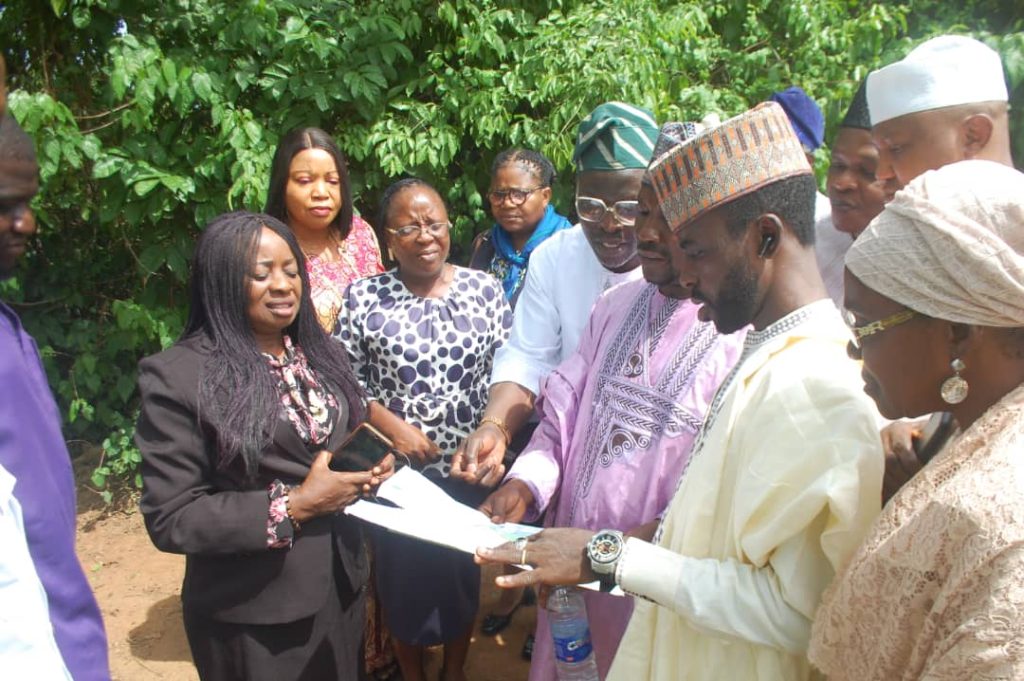
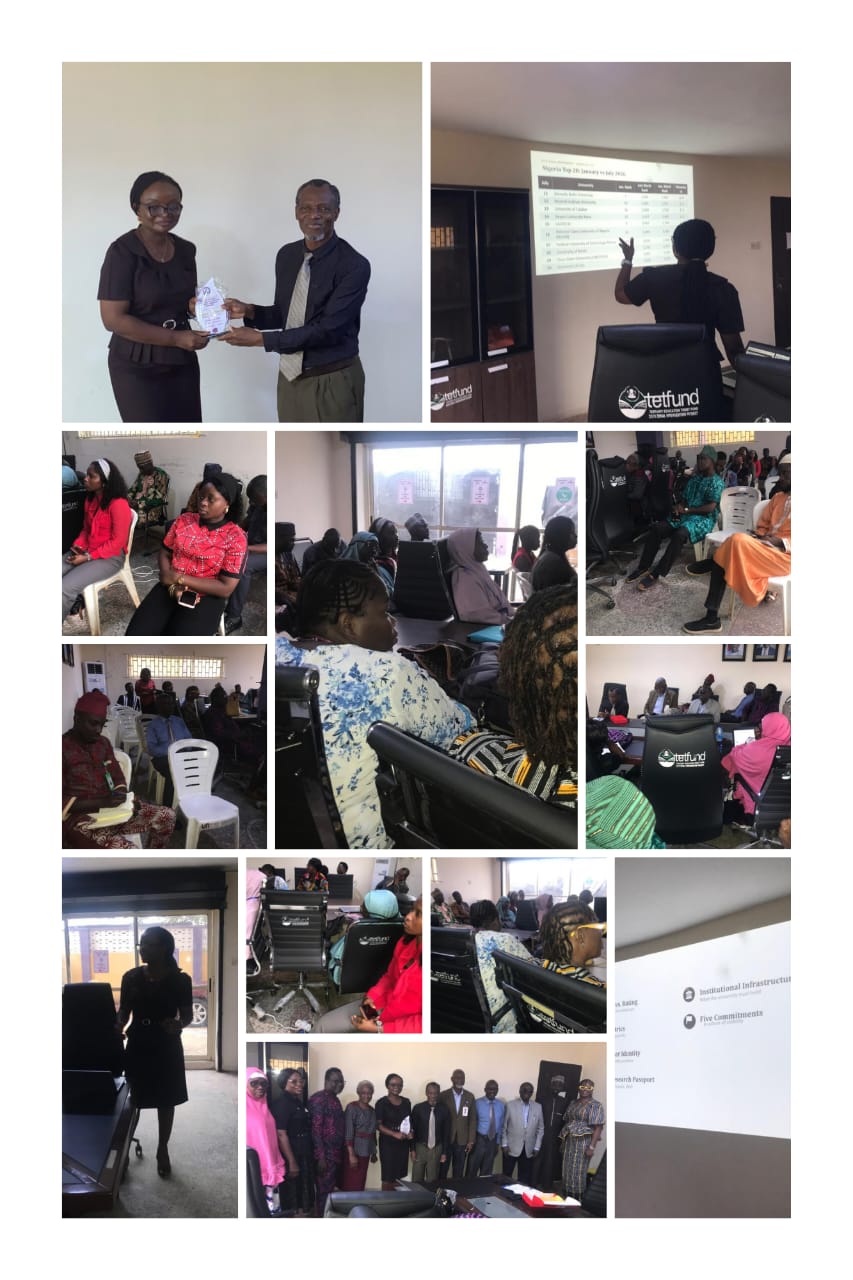
The charge was delivered recently at the second seminar of the Faculty of Allied Health Sciences, Federal University of Medicine and Medical Sciences, Abeokuta (FUMMSA), held at the Board Room of the University’s temporary Secretariat Complex, Kemta, Abeokuta.
The seminar, themed “If the World Cannot Find Our Research, Does It Count?”, focused on research visibility, digital reputation and the relationship between scholarly discoverability and institutional impact. Its central message was captured in the formulation: “Research not found = Research not used = Lives not saved.”
The event brought together top officials of the University, Deans, Directors, Heads of Departments, academic and non-teaching staff, and other members of the University community.
Welcoming participants, the Dean of the Faculty, Professor Adenike Ayobola Olaogun, commended staff for their contributions to the Faculty’s academic development and urged them to sustain the momentum through scholarship, research productivity and professional excellence.
Delivering the presentation, Dr. Jumoke Georgina Ilo, Senior Lecturer and Acting Head of the Department of Human Nutrition and Dietetics, urged researchers to take ownership of their scholarly identities and ensure that their publications can be easily found and accurately attributed.
Dr. Ilo highlighted factors that can limit the visibility of research within national and international university ranking and assessment systems, including Webometrics. She stressed that the digital footprint of individual researchers contributes to the visibility and reputation of their institutions.
She encouraged researchers to establish and maintain profiles on scholarly platforms such as ORCID and Google Scholar, while emphasizing the importance of consistently presenting their names across publications to facilitate accurate identification, citation and attribution.
Using data presented at the seminar, Dr. Ilo demonstrated the extent to which staff members had established such scholarly profiles and encouraged others to strengthen their digital academic presence.
Representing the Vice-Chancellor, the Deputy Vice-Chancellor (Administration), Professor Tajudeen Adeniran Badmus, commended the Faculty for addressing an issue he described as contemporary and relevant to FUMMSA and humanity. He encouraged researchers to improve their presence on recognized scholarly platforms and reaffirmed Management’s support for initiatives aimed at enhancing research visibility and dissemination.
An interactive question-and-answer session followed, with participants discussing practical strategies for improving individual scholarly visibility and FUMMSA’s research profile.
The seminar also featured an Award of Recognition presented to Dr. Ilo for her contribution to the Faculty and delivery of the academic engagement.
The Faculty said the seminar series would continue as a regular platform for promoting thought leadership, research dissemination and innovation in the health sciences. The next edition is expected in October, with the seminars scheduled to hold every third Thursday of the month.
For FUMMSA, the seminar portrayed a fundamental reality of contemporary scholarship: producing research is only the beginning; making it visible, discoverable and usable is what extends its reach and impact.